RESEARCHResearch directions
Research directions
Spanning wireless communications, intelligent sensing, visual representation learning, and applied artificial intelligence at Nanjing Forestry University, our research is organized into six directions linking theoretical modeling with forestry, healthcare, and power-grid scenarios.
RESEARCH DIRECTION
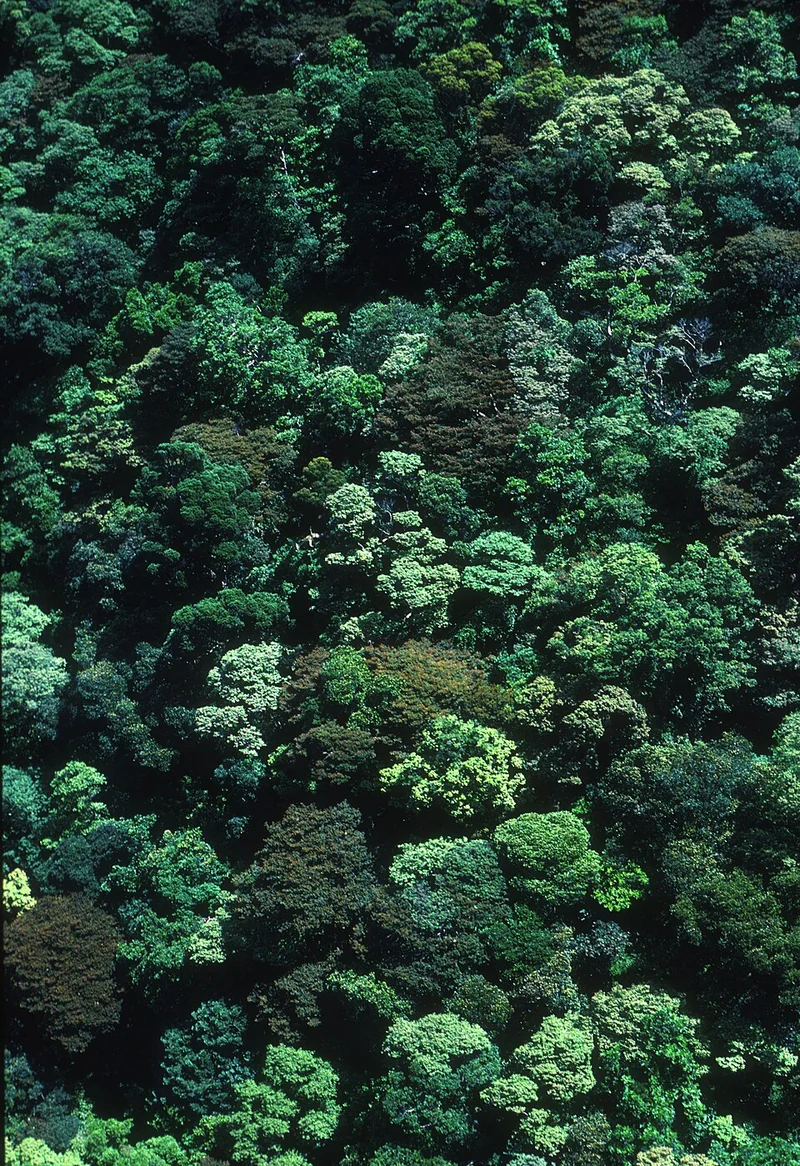
Smart Agro-Forestry & Forest Sensor Networks
Addressing monitoring and data acquisition demands in forest pest and wildfire surveillance, tea-garden disease recognition, and complex under-canopy environments through aerial and near-ground visual sensing alongside low-power wireless sensor networks.
Research focus
Develops UAV and near-ground remote-sensing visual recognition methods for forest pest and wildfire monitoring as well as tea-garden disease identification.
Investigates low-power wireless sensor network deployment and protocol design tailored to complex under-canopy environments.
Projects in this direction
- Theoretical Research on QoS Guarantee for Forest Wireless Sensor Networks Toward Multi-Dimensional High-Precision Sensing
- Theoretical Research on Service QoS Guarantee in Energy-Harvesting Cognitive Sensor Networks
- Service QoS Guarantee Technologies for Cognitive Sensor Networks Under Dynamic Energy
Related publications
- A Pine Wilt Disease Detection Model Integrated with Mamba Model and Attention Mechanisms Using UAV Imagery Haifeng Lin · Corresponding author
- PWDViTNet: A lightweight early pine wilt disease detection model based on the fusion of ViT and CNN Haifeng Lin · Corresponding author
- FireViTNet: A hybrid model integrating ViT and CNNs for forest fire segmentation Haifeng Lin · Corresponding author
- YOLO-Tea: A Tea Disease Detection Model Improved by YOLOv5 Haifeng Lin · Corresponding author
RESEARCH DIRECTION
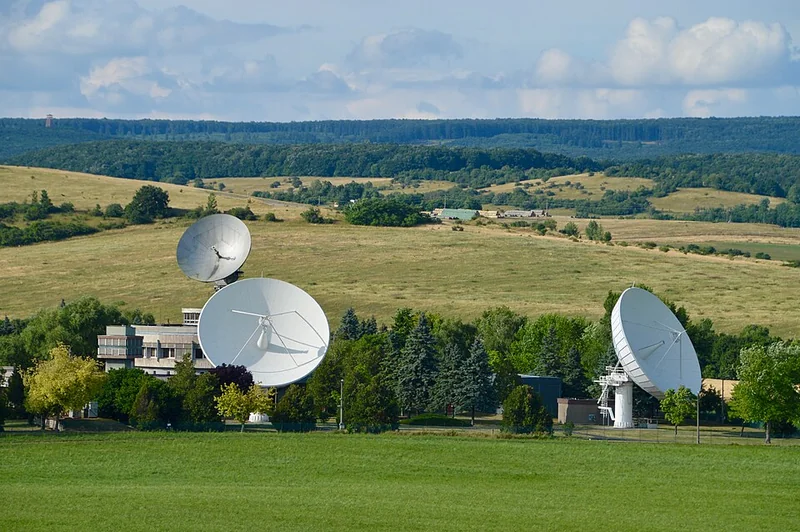
Ultra-Dense Wireless Networks & Satellite-Terrestrial Multiple Access
Targeting 5G/6G ultra-dense heterogeneous cellular networks and low-Earth-orbit satellite IoT scenarios, this direction studies low-overhead high-dimensional channel acquisition, multi-cell cooperative interference management, and reliable multiple access across dynamic satellite-terrestrial links.
Research focus
Designs low-overhead high-dimensional channel acquisition and multi-cell cooperative interference management schemes for ultra-dense heterogeneous cellular networks.
Develops physical-layer synchronization and reliable multiple access methods for high-mobility satellite-terrestrial IoT links.
RESEARCH DIRECTION
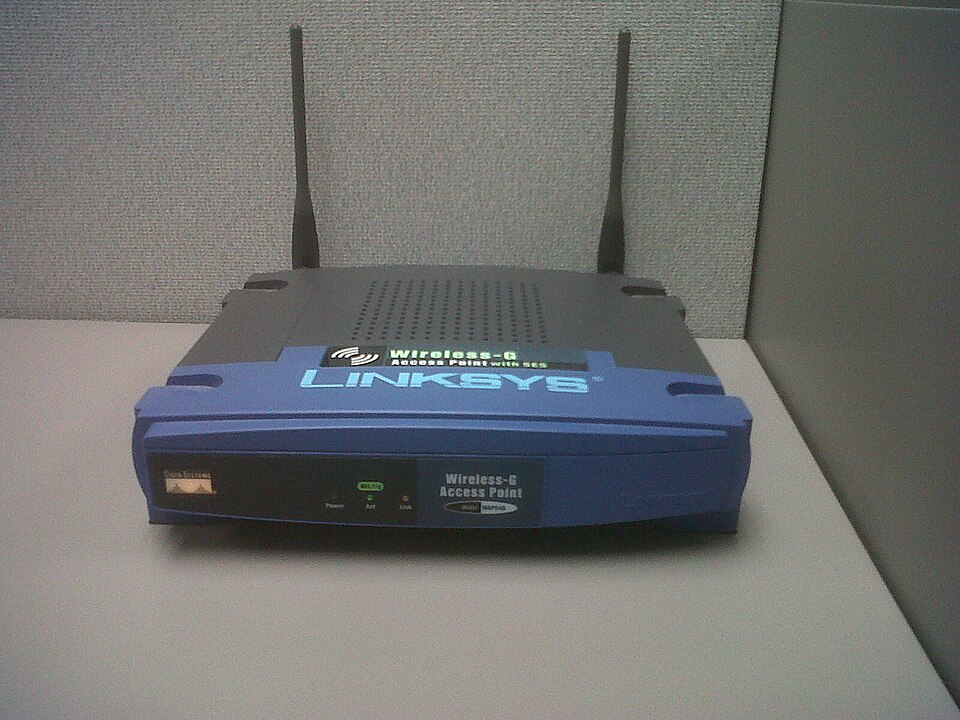
Integrated Sensing and Communications
Utilizing radio-frequency signals to simultaneously transmit data and sense environmental and target states, with a focus on WiFi human-action sensing complexity, full-duplex communication security, and energy efficiency in metasurface-assisted wireless systems.
Research focus
Reduces WiFi human-action sensing model complexity and computation time through a data-dimension transformation framework.
Designs joint transmit/receive beamforming and artificial-noise methods for secure energy efficiency in full-duplex ISAC systems, and optimizes beamforming with RIS phase control for RIS-assisted ISAC energy efficiency.
RESEARCH DIRECTION
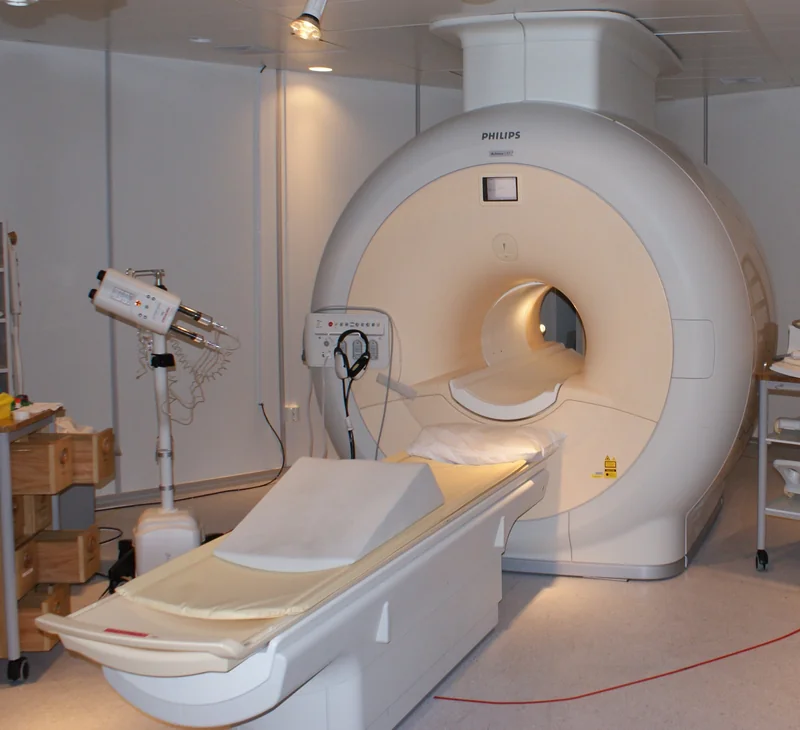
Visual Representation Learning & Medical Image Analysis
Combining general deep visual network construction theory with targeted medical image analysis, this direction refines feature extraction operators via signal modulation, wavelet analysis, and multi-channel algebraic structures; scattering networks are studied for medical image segmentation, and multimodal fusion for thyroid-cancer lymph-node metastasis prediction.
Research focus
Constructs deep visual feature extraction operators grounded in signal modulation, wavelet analysis, and multi-channel algebraic structures.
Studies scattering networks for medical image segmentation and multimodal fusion for thyroid-cancer lymph-node metastasis prediction.
Method-foundation project
General visual representation methods
- Wavelet-Based Dual-Task Network Fuzhi Wu · First author
- Multiscale Low-Frequency Memory Network for Improved Feature Extraction in Convolutional Neural Networks Fuzhi Wu · First author
- Spatial-Enhanced Multi-Level Wavelet Patching in Vision Transformers Fuzhi Wu · First author
- Convolutional modulation theory: A bridge between convolutional neural networks and signal modulation theory Fuzhi Wu · First author
RESEARCH DIRECTION
Aging Assessment & Smart Health Management
Addressing geriatric health evaluation and frailty risk identification requirements through algorithmic and applied research centered on physiological function evaluation, multi-organ aging quantification, and personalized health management.
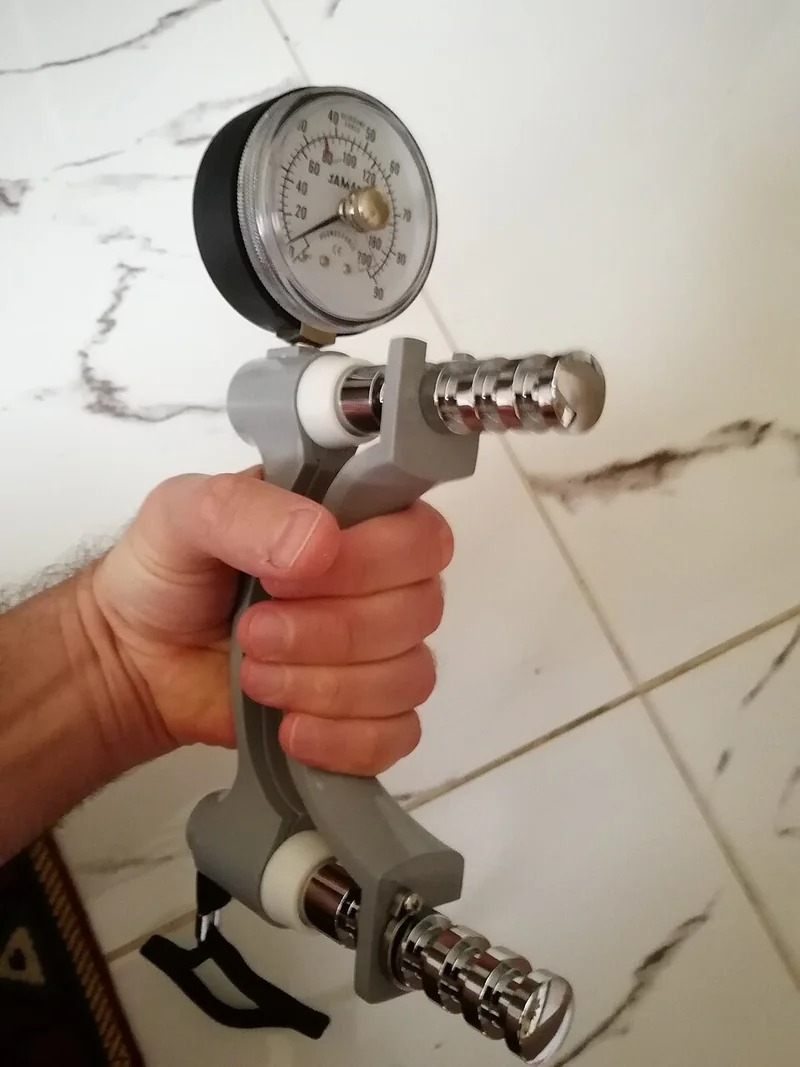
Research focus
Develops quantitative models for physiological function assessment and multi-organ aging evaluation to identify frailty risks.
Explores algorithmic frameworks for early aging warning and personalized geriatric health management.
RESEARCH DIRECTION
Power Equipment Visual Inspection & Acoustic-Parameter Joint Analysis
Serving field operation and maintenance needs in power distribution and metering scenarios, this direction studies equipment localization and defect review workflows in field imagery alongside joint analysis of transformer operating audio and synchronous monitoring parameters.
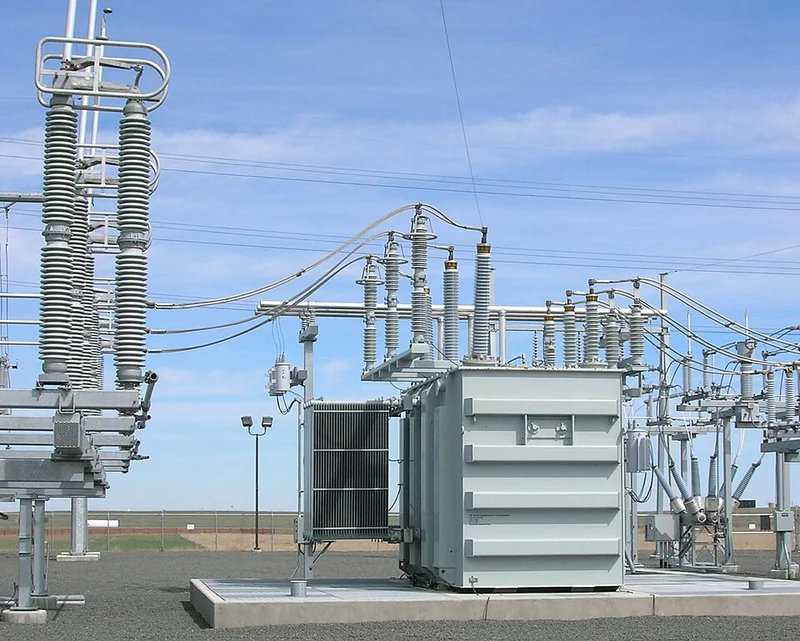
Research focus
Designs decoupled equipment localization and defect detection workflows for distribution and metering field imagery with image-level mapping for manual review.
Investigates joint analysis methods combining transformer operating audio recordings with synchronous monitoring parameters.